How to Organize Food Containers Properly for Easy Access?

Time:2026-06-01 Author:Isabella
0%

Organizing food containers can often feel like an overwhelming task. Many of us struggle to find the right container when we need it. It's essential to know how to organize food containers properly for easy access. A well-organized kitchen can save time and reduce stress.

Start by sorting your containers by size and type. Use drawer dividers or bins for a more structured approach. This makes it easier to locate containers swiftly. However, even the best systems can require adjustments. Container sizes might change, and new ones may enter your collection.

Remember, it's okay if your organization isn’t perfect. The goal is to create a functional space that meets your needs. Constantly evaluate your system and make changes as necessary. With thoughtful organization, your food containers will serve you better, making meal prep smoother and more efficient.
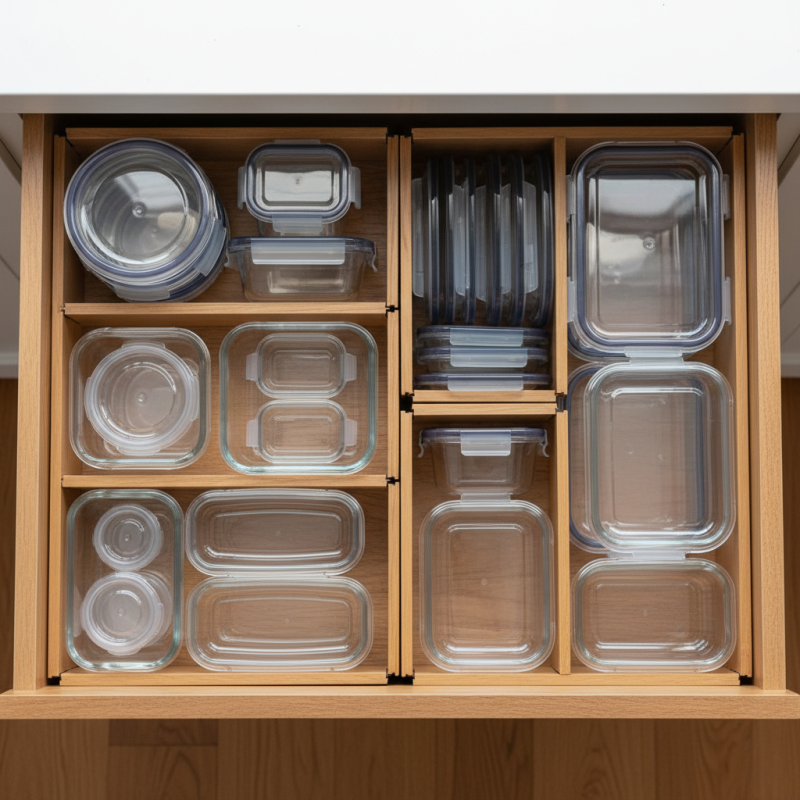
How to Organize Food Containers Properly for Easy Access?

Choosing the Right Food Containers for Your Storage Needs

Choosing the right food containers for your storage needs can significantly impact your kitchen organization. Look for containers that fit the types of food you store most often. Use clear containers to easily see contents. This reduces waste and helps you plan meals better. BPA-free plastic and glass options are great for preserving food safely.

Size matters. Try various sizes for different types of food. Smaller containers can hold spices or snacks, while larger ones are perfect for bulk items. Avoid mismatched lids; they create frustration. Aim for a uniform set to simplify access. It’s also essential to evaluate if your containers stack well. This feature saves space and enhances accessibility.

Consider durability when selecting your containers. Some might crack after a few uses. Reflect on your priorities: convenience, space, or aesthetics? If you don’t access certain sizes, they become clutter. Regularly reassess your collection. Eliminate what doesn’t serve your needs. The right food containers can streamline your food storage and make cooking enjoyable.

How to Organize Food Containers Properly for Easy Access? - Choosing the Right Food Containers for Your Storage Needs

Container Type Material Size Best For Tips for Organization
Glass Containers Borosilicate Glass Variety (0.5L to 3L) Meal Prep, Leftovers Label each container for easy identification.
Plastic Containers BPA-Free Plastic Small, Medium, Large Snacks, Lunches Stack in nested form to save space.
Stainless Steel Containers Food-Grade Stainless Steel Medium to Large Lunch, Storage for Raw Ingredients Use cotton pads to separate layers if stacking.
Silicone Bags Food-Grade Silicone Various Sizes Freezing, Marinating Flatten bags for compact storage.
Mason Jars Glass with Metal Lid Pint, Quart Dry Goods, Sauces Use for pantry storage, label contents clearly.

Categorizing Containers by Type and Size for Simplified Access

When it comes to organizing food containers, categorizing them by type and size can significantly enhance accessibility. Clear plastic containers stack easily and fit into tight spaces. Consider using labeled bins to store lids separately. This approach saves time and minimizes frustration during meal prep.

Group containers based on their purpose. For instance, store baking dishes with similar items. Place meal prep containers near the fridge for quick access. Smaller containers can hold snacks or dressings, keeping like items together. Sometimes, the system might not work as planned. You may find yourself with mismatched lids or unstackable containers.

Evaluate your methods regularly. If a specific arrangement does not suit your needs, rethink it. Experiment with different layouts and placements. This reflection helps create a more functional kitchen space. Remember, what works for one person may not work for another. It is okay to adjust your system as your cooking habits change.

Implementing a Labeling System for Easy Identification

A well-implemented labeling system can transform your kitchen storage. Research shows that over 75% of people misidentify food items due to poor labeling. This can lead to wasted food and unnecessary purchases. By using clear, consistent labels, you make navigation easy for anyone in your household.

When it comes to labels, choose materials that can withstand moisture. Waterproof labels are ideal since they resist damage from spills or steam. Using bold fonts and contrasting colors can enhance visibility, making it easier to identify contents at a glance. Labeling each container with not just its contents, but also the date it was stored can prevent food from going bad. A study found that proper labeling can reduce food waste by up to 30%.

Consider utilizing reusable labels for flexibility. They can be wiped clean and updated as items change. However, it’s important to reassess your system regularly. Over time, containers may accumulate a jumble of old labels that can confuse more than help. Designing a straightforward labeling strategy allows you to streamline kitchen organization effectively.

Creating an Accessible Storage Layout in Your Kitchen

Creating an accessible storage layout in your kitchen can significantly improve your cooking efficiency. Start by grouping similar food containers. Keep the small ones together, and reserve a section for larger containers. This not only saves space but also ensures that you can find what you need quickly. A simple arrangement reduces the time spent rummaging through cabinets.

Think about the height of your shelves. Use lower shelves for containers you use often. It’s frustrating to struggle with items stored too high. Opt for clear bins to store similar items. This transparency helps you see what’s available at a glance. Consider labeling your containers too. Labels help everyone in the household know where things belong.

Reflect on potential challenges in your layout. Are some areas too crowded? Is it hard to access certain containers? Addressing these issues may open up more efficient storage. An accessible kitchen is about more than just organization; it’s about creating a space that feels welcoming and easy to navigate. Keep refining your layout until it feels right.

Tips for Maintaining and Cleaning Food Containers Regularly

Keeping food containers clean and well-maintained is essential for a healthy kitchen. Regular cleaning can prevent unpleasant odors and lingering food particles. After each use, promptly wash containers with warm, soapy water. Pay special attention to lids, as they often trap residue. Rinse thoroughly to eliminate any soap. Sometimes, stubborn stains appear. A sprinkle of baking soda can work wonders on these tough spots.

Incorporating a cleaning schedule can enhance your container care routine. Set aside time weekly to inspect your containers. Look for cracks or signs of wear. Discard any that no longer seal properly. Organizing your containers in a designated space can also help. Group similar sizes together and stack them where possible. This practice not only saves space but also allows for easy access.

Using labels can further streamline your storage system. Labeling lids or containers clarifies their contents. However, avoid overloading your cabinets. Too many containers create chaos rather than convenience. Reflect on what you genuinely use and consider donating excess. A mindful approach leads to a cleaner, more organized kitchen.

FAQS

: How can I choose the right food containers for my kitchen?

: Select containers based on the types of food you store. Clear containers help you see contents easily.

What materials are best for food storage containers?

BPA-free plastic and glass options preserve food safely. Consider durability and how they handle wear over time.

Why is size important in food containers?

Different sizes fit various food types. Smaller containers work for snacks, while larger ones are ideal for bulk items.

How can I prevent mismatched lids?

Aim for a uniform set of containers. This reduces frustration and simplifies storage access significantly.

What can I do if my container organization doesn't work?

If your system fails, rethink your layout. Experiment with arrangements that suit your cooking and storage habits better.

How does a labeling system help in kitchens?

Clear and consistent labels enhance navigation and prevent misidentification of food items. This reduces waste effectively.

What type of labels should I use for food containers?

Waterproof labels are ideal. They resist moisture and help maintain visibility even in a busy kitchen environment.

How often should I reassess my food container collection?

Regularly evaluate your containers. Discard any that no longer serve your needs to avoid unnecessary clutter.

Can labeling reduce food waste?

Yes, proper labeling can cut food waste by up to 30%. It helps track storage dates and prevents spoilage.

Are reusable labels a good option?

Reusable labels offer flexibility. They can be cleaned and updated. However, manage old labels to avoid confusion.

Conclusion

Organizing food containers properly is essential for maintaining an efficient and clutter-free kitchen. Start by choosing the right containers that suit your storage needs, considering factors such as size, material, and functionality. Categorizing your containers by type and size can significantly simplify access, allowing you to quickly find what you need while cooking or preparing meals.

To enhance organization further, implementing a labeling system will help in easy identification of contents, preventing confusion and waste. Additionally, creating a well-structured storage layout in your kitchen can promote accessibility, ensuring that all items are within easy reach. Lastly, regular maintenance and cleaning of your food containers will keep them in good condition and ensure hygienic storage of your food items. By following these steps, you can effectively learn how to organize food containers properly and enjoy a more organized kitchen space.

Isabella

Isabella

Isabella is a dedicated marketing professional with a sharp focus on driving brand growth and engagement through strategic content creation. With an extensive background in digital marketing, she combines her passion for storytelling with her keen understanding of industry trends to deliver......