When organizing a kitchen, many overlook essential storage strategies. According to Marie Kondo, a well-known tidying expert, "Clutter is not just physical; it's emotional." This sentiment rings true when addressing what are common kitchen storage mistakes. A disorganized kitchen can lead to frustration and inefficiency.
One common mistake is overcrowding cabinets. Excess items make it hard to find essentials. This not only wastes time but also space. Another frequent issue is failing to utilize vertical space. Cabinets often have empty spaces above. These overlooked areas are prime for extra storage.
Additionally, keeping seldom-used items in prime locations causes chaos. Consideration of item frequency is vital. Regularly used tools should be easily accessible. Reflecting on your kitchen setup can reveal these hidden mistakes. Improving organization is not just practical; it can transform your cooking experience.
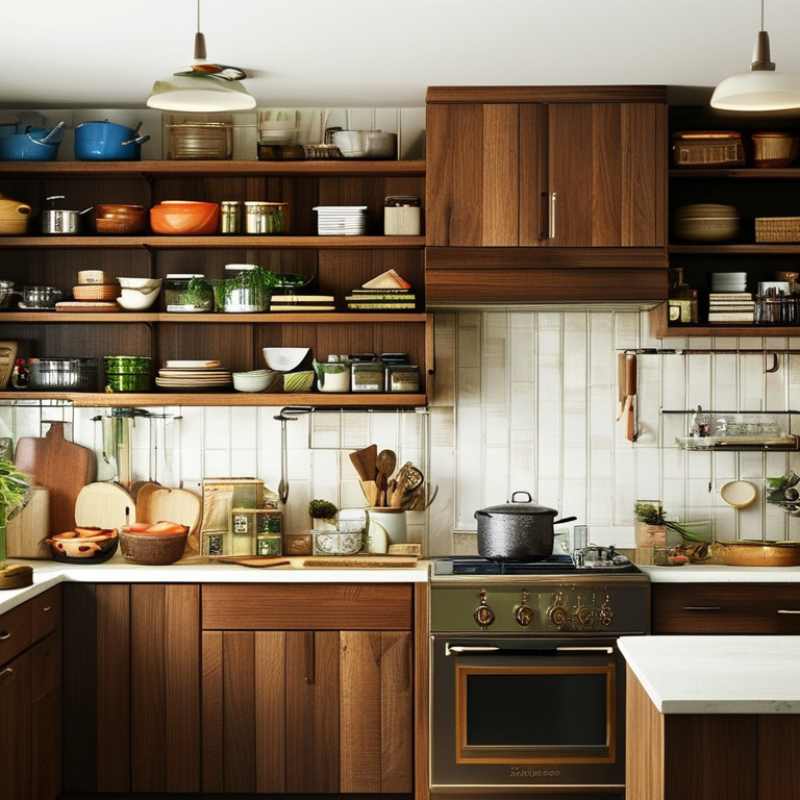
When it comes to kitchen storage, many misconceptions can lead to chaotic spaces. One common belief is that utilizing every inch of space is essential for organization. However, this can backfire. Overstuffing cabinets and drawers makes it hard to find items. Instead, aim for balance. Maintain enough open space for easy access and visibility.
Many believe that all kitchen items should be stored in traditional places. For instance, placing pots and pans in cabinets is standard, but this may not be optimal. Hanging them from hooks can save space and make cooking more efficient. Rethink conventional storage ideas to enhance functionality.
Another misconception is that expensive storage solutions are necessary for organization. Simple methods like using tiered organizers or baskets can be just as effective. Acknowledging that self-made solutions can fit your unique needs can lead to greater satisfaction. Remember, it’s about making your kitchen work for you. Reassessing your storage strategy could yield significant improvements in both function and ease.
When it comes to kitchen organization, many overlook the power of vertical space. Kitchen cabinets often come equipped with ample height, but inefficient use of that space can lead to clutter and chaos. Tall items get pushed to the back, making it hard to reach essential tools. This can result in wasted time and frustration during meal prep.
Consider installing shelves or stacking bins to utilize vertical height effectively. Use clear containers to store dry goods, allowing you to see what you have at a glance. This not only saves time but also prevents duplicate purchases, which can clutter your kitchen further. Group similar items together for easy access.
Another approach is to hang pots and pans. A simple wall-mounted rack can free up valuable cabinet space. Store frequently used utensils at eye level. This method invites reflection on your cooking habits and helps prioritize what tools are truly essential. Reassessing your storage regularly ensures you adapt to your evolving cooking needs.
In kitchen organization, clear containers are often underestimated. They play a crucial role in visibility and accessibility when storing ingredients. A recent report from the Kitchen Storage Association revealed that 70% of households struggle to find essential items in their kitchens. This can lead to wasted time and food, directly impacting meal preparation. When items are stored in opaque containers, it is easy to forget what is inside.
Using clear containers can drastically improve kitchen efficiency. They allow you to see the contents at a glance. In kitchens where clear storage is implemented, 52% of users reported less food wastage because they could easily monitor their supplies. However, many homeowners still overlook this simple solution. They might find it inconvenient to transfer food from original packaging to clear bins. This hesitation can hinder optimal kitchen organization.
Additionally, clear containers can help with portion control. Without visibility, it’s difficult to determine how much you have left. Containers that allow you to spot ingredients promote better meal planning. As a result, people are less likely to overbuy. It's worth reflecting on whether your kitchen storage habits are actually hindering your cooking experience. Adopting clear containers might just be the change needed for a more organized and efficient kitchen.
Grouping similar items in your kitchen can significantly improve organization. Research shows that an organized kitchen reduces cooking time by an average of 20%. When items are stored together, finding what you need becomes easier and faster. For example, keep baking ingredients together: flour, sugar, and baking soda should be in the same section. This method saves you from sifting through scattered items while preparing a recipe.
A common mistake is ignoring the vertical space in your cabinets. Utilizing shelves or stacking bins can maximize storage. When spices and oils are grouped, they not only look tidy but are also more accessible. According to studies, 70% of home cooks report frustration due to a disorganized kitchen. Addressing this can lead to a more pleasant cooking experience and better meal prep outcomes.
Consider labeling containers for a clearer visual guide. This small step can save time and reduce the chances of accidentally mixing ingredients. While it may seem trivial, a well-organized kitchen encourages creativity in cooking. Reflect on your current setup. Are there items that could be better grouped or accessed?
In the realm of kitchen design, accessibility and workflow often take a backseat. A report from the National Kitchen and Bath Association highlights that nearly 70% of homeowners overlook workflow principles. This can lead to a frustrating cooking experience. If the stove, sink, and refrigerator are not near each other, tasks become cumbersome. Cooking shouldn't feel like a chore.
Another crucial aspect is storage accessibility. A survey from the American Institute of Architects indicates that 40% of homeowners find their kitchen storage inefficient. Items placed too high or deep can be hard to reach. This inefficiency can result in clutter and wasted time. Instead of enjoying meal prep, homeowners may find themselves struggling to retrieve basic ingredients.
Reflecting on existing designs, many kitchens fail to prioritize user-friendly layouts. Open shelves and pull-out drawers can enhance accessibility. Yet, many kitchens feature static cabinets that hinder movement. This mistake not only affects organization but also impacts daily cooking routines. Accessibility should never be compromised in the pursuit of aesthetics.
| Mistake | Description | Impact on Organization | Tips to Avoid |
|---|---|---|---|
| Ignoring Vertical Space | Failing to utilize wall space for shelves or cabinets. | Leads to cluttered countertops and inefficient use of space. | Install shelving units or tall cabinets to maximize storage. |
| Poor Layout | Not considering workflow and common kitchen tasks. | Makes cooking and cleaning more time-consuming. | Plan the layout based on the natural flow of activities. |
| Overcrowding Cabinets | Storing too many items in one space. | Makes it hard to find items and creates a chaotic environment. | Limit the number of items per cabinet and declutter regularly. |
| Lack of Labels | Not labeling containers or shelves. | Causes confusion and wasted time searching for items. | Use clear labels to identify contents and categories. |
| Ignoring Accessibility | Placing frequently used items out of reach. | Increases effort and frustration during cooking. | Store everyday items at eye level or easy-to-reach spots. |
: Vertical space helps keep kitchens organized. Proper use prevents clutter and allows easy access to tools.
Consider adding shelves or stacking bins. Use clear containers to store dry goods for better visibility.
Clear containers improve visibility and reduce food waste. They help users monitor supplies more easily.
Many find it inconvenient to transfer food. This hesitation can hinder optimal kitchen organization.
Poor layout can make cooking frustrating. If major appliances are too far apart, tasks become more cumbersome.
Easy-to-reach storage prevents wasted time. High or deep items can cause clutter and disrupt meal prep.
Regular reassessment helps adapt your storage to evolving cooking habits. It can improve overall efficiency.
Many neglect accessibility and workflow, which can lead to a challenging cooking experience.
Static cabinets and poor layouts hinder movement. Open shelves can greatly enhance accessibility.
Use containers that allow visibility of ingredients. This fosters portion control and reduces overbuying.
When it comes to kitchen organization, understanding what are common kitchen storage mistakes can significantly enhance efficiency and functionality. One prevalent misconception is underutilizing vertical space within cabinets, which can lead to wasted storage potential. Additionally, many overlook the importance of using clear containers, which promote visibility and make it easier to locate items quickly.
Another mistake is neglecting to group similar items together, which not only streamlines the cooking process but also minimizes clutter. Lastly, failing to consider accessibility and workflow can hinder kitchen usability, making everyday tasks cumbersome. By addressing these common pitfalls, one can create a more organized and effective kitchen environment.

NIXA Storage